Gas Market Regulatory Authority Holds First Consultation Session on the Draft Distribution Code
In a new step reflecting the ongoing efforts to develop the natural gas market and strengthen the foundations of modern regulation, and under the support and guidance of H.E. Eng. Karim Badawi, Minister of Petroleum and Mineral Resources and Chairman of the Board of the Gas Market Regulatory Authority, the Authority held a consultation session to discuss the draft Gas Distribution Code. This initiative comes as part of the Authority’s continuous efforts to enhance market efficiency, increase transparency, and safeguard the rights of users. The session is part of a broader institutional reform path aimed at establishing a balanced regulatory framework that supports investment and aligns with international best practices, particularly in light of the rapid developments taking place in the energy sector.

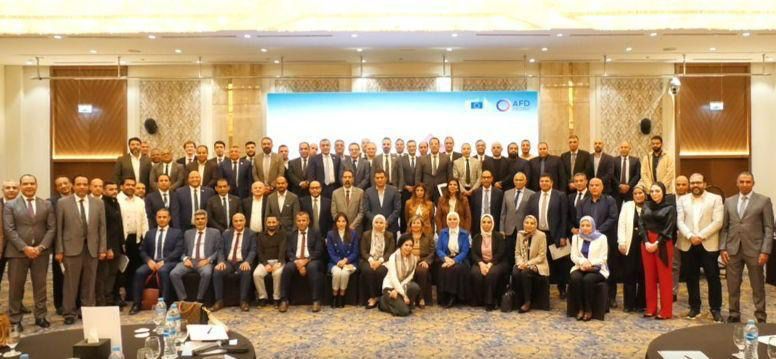
The session was organized in cooperation with MRC Consultants and Transaction Advisers, part of the Veolia Group, and METAS, with the participation of representatives from all companies operating in gas transmission, distribution, shipping, and supply activities in Egypt. The session also witnessed high-level representation from several relevant entities, most notably EGAS, in addition to the participation of a number of international experts. This public consultation session on the preliminary draft of the Gas Distribution Code is the first of its kind and was conducted within the framework of activities funded by the European Union and managed by the French Development Agency (AFD), in accordance with the grant implementation agreement under the Household Gas Connection Project.

During the session, international practices in gas distribution were presented, with a particular focus on how the sector is regulated according to leading European standards. Speakers emphasized the importance of adopting approved codes that clearly define the rights and obligations of all parties, ensuring transparency, improving operational efficiency, and preventing conflicts of interest. The session also highlighted consumer rights and obligations, as well as the importance of protecting consumers within the regulatory framework of the code.
The presentation further addressed the concept of a Model Distribution Code, which serves as a unified reference framework that each distribution operator can tailor to suit the specific characteristics of its network while maintaining the general principles governing the market. The session reviewed the technical, commercial, and procedural frameworks governing daily transactions between operators and users, including the transportation of gas to the final consumer and mechanisms for data and information exchange. These measures aim to ensure procedural clarity and full compliance with regulatory standards.
Speakers also noted that the Authority has adopted a cooperative and integrated working approach between the Authority—acting as a neutral regulator—and all market participants, including gas shippers, network operators, and network owners. Under this approach, the Authority prepares an initial model and shares it with all relevant stakeholders to collect feedback, comments, and observations. This process aims to reach the most appropriate framework that reflects the nature of the Egyptian gas market while aligning with international best practices. Ultimately, each distribution company will develop its own distribution code in accordance with the general frameworks, principles, and governing rules established by the Authority, in line with legal obligations and Board decisions.
The session concluded with an extended discussion period dedicated to participants’ questions and feedback. The Authority reaffirmed its commitment to engaging and consulting with all stakeholders to further develop Egypt’s gas market in line with international best practices, while enhancing efficiency, transparency, and readiness for future market requirements.


